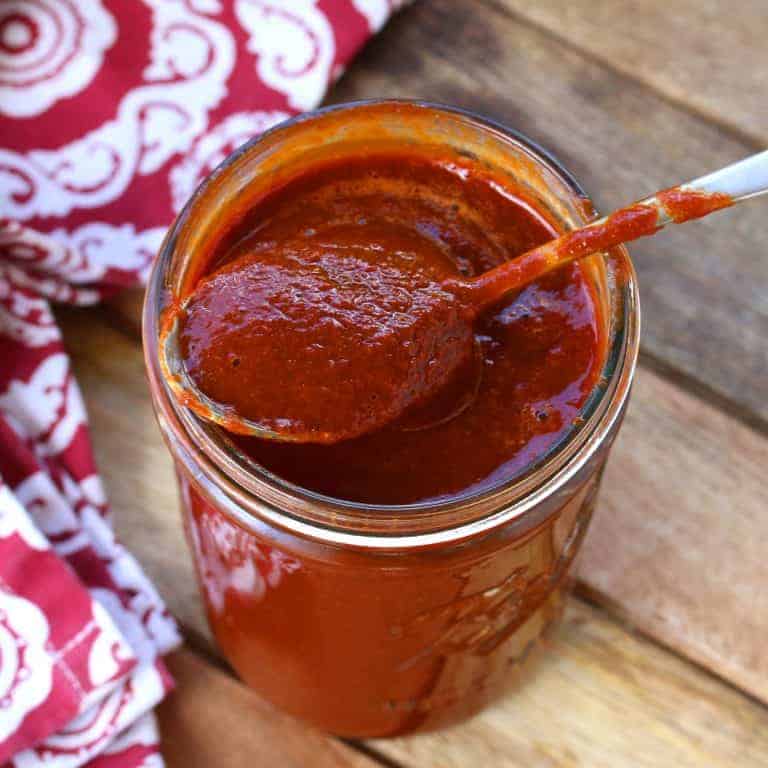
The culinary world often rewards those who venture beyond the convenience of store-bought, and few endeavors yield a more delicious return than crafting an authentic homemade enchilada sauce. Forget the bland, often one-dimensional offerings lining supermarket shelves; a truly homemade version is a revelation, a symphony of rich, robust, and complex flavors that elevate not just your enchiladas but a host of other dishes. This isn't merely a condiment; it's a foundational element, a deep dive into the heart of Mexican cuisine where flavor secrets are revealed through mindful preparation and quality ingredients.
There's a reason why the phrase "nothing beats homemade" resonates so deeply in the kitchen, and it’s especially fitting for this vibrant red chile sauce. It's an opportunity to control every nuance, from the subtle heat to the earthy undertones, resulting in a sauce that is, quite simply, a thousand times better than anything you can buy. This article will guide you through the essential techniques and ingredients, demystifying the process and empowering you to create an enchilada sauce that will impress and delight.
The Unbeatable Appeal of Homemade Enchilada Sauce
Imagine a sauce so rich, so deeply flavorful, that it transforms an ordinary meal into an extraordinary culinary experience. That’s the promise of an authentic homemade enchilada sauce. While many reach for canned versions out of habit or perceived convenience, they unknowingly miss out on an entire spectrum of taste. Store-bought sauces often rely on chili powder and artificial thickeners, resulting in a flat, sometimes metallic taste that lacks the vibrancy and depth of a sauce made from scratch.
A truly authentic red chile sauce, however, boasts layers of smoky, fruity, earthy, and sometimes spicy notes that dance on the palate. Its robustness is derived from the very soul of the chiles themselves, carefully prepared to unleash their full potential. Beyond its primary role in enchiladas, this versatile sauce breathes new life into a variety of dishes. Use it to deepen the flavor of soups and stews, as a base for hearty burritos, a topping for chilaquiles, or even as a unique marinade for grilled meats. The culinary possibilities are endless once you harness the power of this homemade elixir. The satisfaction of creating such a foundational and flavorful component from raw ingredients is a reward in itself, promising a taste experience that mass-produced alternatives simply cannot replicate.
Unlocking Deep Flavor: Key Principles for Authentic Enchilada Sauce
Crafting an authentic enchilada sauce isn't just about combining ingredients; it's about following a set of time-honored principles that coax out the deepest, most complex flavors from your chiles and aromatics. These rules are the foundation upon which truly spectacular red chile sauce is built, setting it apart from any shortcuts.
1. The Power of Whole Dried Chiles: A Flavor Revolution
This is arguably the most critical distinction: use whole dried peppers, not ground chili powder. While chili powder offers convenience, it pales in comparison to the multi-faceted flavor profile unlocked by dried chiles. The process of rehydrating and pureeing whole chiles, especially after a gentle toast, extracts a richness and complexity that finely ground powder simply cannot deliver. You get nuanced notes—fruity, smoky, earthy, sometimes chocolaty—that are often lost or never present in pre-ground spices. Adding a dash of smoked paprika might offer a hint of smokiness, but it's a poor stand-in for the genuine depth and body provided by whole, dried chiles.
2. Toasting for Aroma and Depth (and How to Avoid Bitterness)
Once you have your whole dried chiles, the next vital step is toasting them. This dry heat process amplifies their inherent flavors, awakens their aromatic oils, and adds a layer of smoky depth. The difference between untoasted and toasted chiles is profound. However, herein lies a crucial caveat: do not scorch the peppers. If the delicate peels burn, your beautiful sauce will take on an unpleasantly bitter flavor. Toast them gently in a dry pan over medium heat for just a minute or two, until fragrant and slightly pliable, but before they turn dark brown or emit acrid smoke. If you accidentally scorch them, don't despair entirely; a little extra roasted onion and a tiny dash of sugar can help to mellow out the bitterness, salvaging your sauce.
3. Fresh Aromatics: Garlic and Onion Reign Supreme
Just as with chiles, fresh is best when it comes to aromatics. Skip the garlic and onion powders. Fresh garlic and onion, especially when roasted alongside your toasted chiles, contribute a sweet, pungent, and savory foundation that powders simply can't replicate. Roasting them softens their bite, caramelizes their sugars, and integrates their flavors seamlessly into the overall profile of the sauce. This simple switch from powder to fresh makes a world of difference in the sauce's vibrancy and overall depth.
4. Say Goodbye to Flour: Embrace Natural Thickening
Many recipes, especially those aiming for speed, use flour as a thickener for red chile sauce. While effective, flour can often mute the delicate flavors of the chiles and create a texture that feels more like gravy than a rich, authentic sauce. For a truly authentic homemade enchilada sauce, flour is unnecessary. Once reconstituted and pureed, the whole dried chiles themselves provide a natural, velvety thickness. Their fibrous structure breaks down to create a luscious, full-bodied sauce without any starchy interference. Keep the flour for your tortillas, not your enchilada sauce!
5. The Critical Cook: Transforming Paste to Perfection
After you've pureed and strained your magnificent chile mixture, you'll have a bright red, flavorful raw chile paste. As delicious as it smells at this stage, do not skip the final cooking step. This simmering period is absolutely vital for developing the full depth of flavor. As the sauce gently cooks, its color darkens from a vibrant red to a more brownish-red hue, and the individual flavors meld and intensify. The raw edges disappear, giving way to a rich, complex, and harmonious sauce. This slow simmer allows the flavors to truly bloom, making the difference between a good sauce and an extraordinary one.
Selecting Your Chiles: The Foundation of Flavor
The soul of your homemade enchilada sauce lies in the chiles you choose. The quality of your dried chiles directly impacts the flavor of your final product. Unfortunately, many grocery stores stock old, brittle, and flavorless dried chiles that have lost their potency. Selecting the right chiles is a skill that will profoundly enhance your sauce.
How to Choose "Fresh" Dried Chiles
When selecting dried chiles, look for those that are:
- Pliable: They should bend without snapping, indicating they haven't completely dried out and still retain some moisture and essential oils.
- Aromatic: Give them a sniff! Good quality chiles will have a distinct, often fruity, smoky, or earthy aroma. Avoid those with no smell or a dusty, musty odor.
- Deeply Colored: Their color should be rich and even, not faded or blotchy.
- Intact: While some natural breakage is inevitable, avoid packages where most chiles are broken into small, brittle pieces.
- Clean: Free from excessive dust or mold.
For the best selection, seek out specialty Mexican markets or reputable online retailers that specialize in dried chiles. They often have fresher stock and a wider variety.
Popular Varieties for Your Homemade Enchilada Sauce
You can use a single type of chile or, as many connoisseurs prefer, a combination to build a more complex flavor profile. Here are a few favorites:
- Ancho Chiles: These are dried poblano peppers, known for their mild heat, rich, fruity, and slightly smoky flavor with hints of raisin and coffee. They form an excellent base for any red enchilada sauce.
- Guajillo Chiles: Medium heat with a bright, tangy, and somewhat fruity flavor, often described as green tea-like. They add a lovely vibrant red color and a distinct zest.
- Pasilla Chiles: ("Little Raisin") offer an earthy, slightly smoky, and moderately spicy flavor. They contribute a dark color and a deeper, more robust profile.
- Chile de Árbol: For those who love a kick! These small, slender chiles are quite hot and are best used sparingly to add a spicy punch without overpowering the other flavors.
A classic combination often includes Ancho and Guajillo for a balance of richness and bright fruitiness. Experiment to find your perfect blend!
Beyond the Recipe: Tips for Your Best Homemade Enchilada Sauce
Once you’ve mastered the core principles, these additional tips will help you perfect your homemade enchilada sauce and make it an indispensable part of your culinary repertoire.
- Fine Strain for Silky Smoothness: After pureeing, pushing the sauce through a fine-mesh sieve or using a food mill is crucial. This removes any lingering bits of chile skin or seeds, resulting in an incredibly smooth, restaurant-quality sauce. Don't skip this step for the best texture.
- Seasoning is Key: While the chiles provide the dominant flavor, salt is paramount to bring everything to life. Taste and adjust. A tiny splash of apple cider vinegar or lime juice at the end can also brighten the sauce and balance the richness.
- Batch Cook and Freeze: Homemade enchilada sauce freezes beautifully. Make a large batch and portion it into freezer-safe containers or bags. Thaw overnight in the refrigerator for quick weeknight meals. This makes the initial effort even more worthwhile.
- Adjusting Heat Levels: If you prefer a spicier sauce, incorporate more chile de árbol or even a touch of cayenne pepper at the cooking stage. For a milder sauce, stick to Ancho and Guajillo chiles and remove all seeds from the chiles before pureeing.
Embracing the art of making homemade enchilada sauce is a journey into authentic flavor that promises immense rewards. By prioritizing whole dried chiles, respecting traditional techniques, and selecting quality ingredients, you unlock a depth of taste far beyond what any jarred alternative can offer. The process, while requiring a little patience, is incredibly rewarding, transforming humble ingredients into a rich, complex, and versatile sauce that will elevate your cooking. So, gather your chiles, embrace the secrets revealed, and prepare to savor the unparalleled flavor of truly authentic homemade enchilada sauce. Your taste buds will thank you.
